06 March 2025
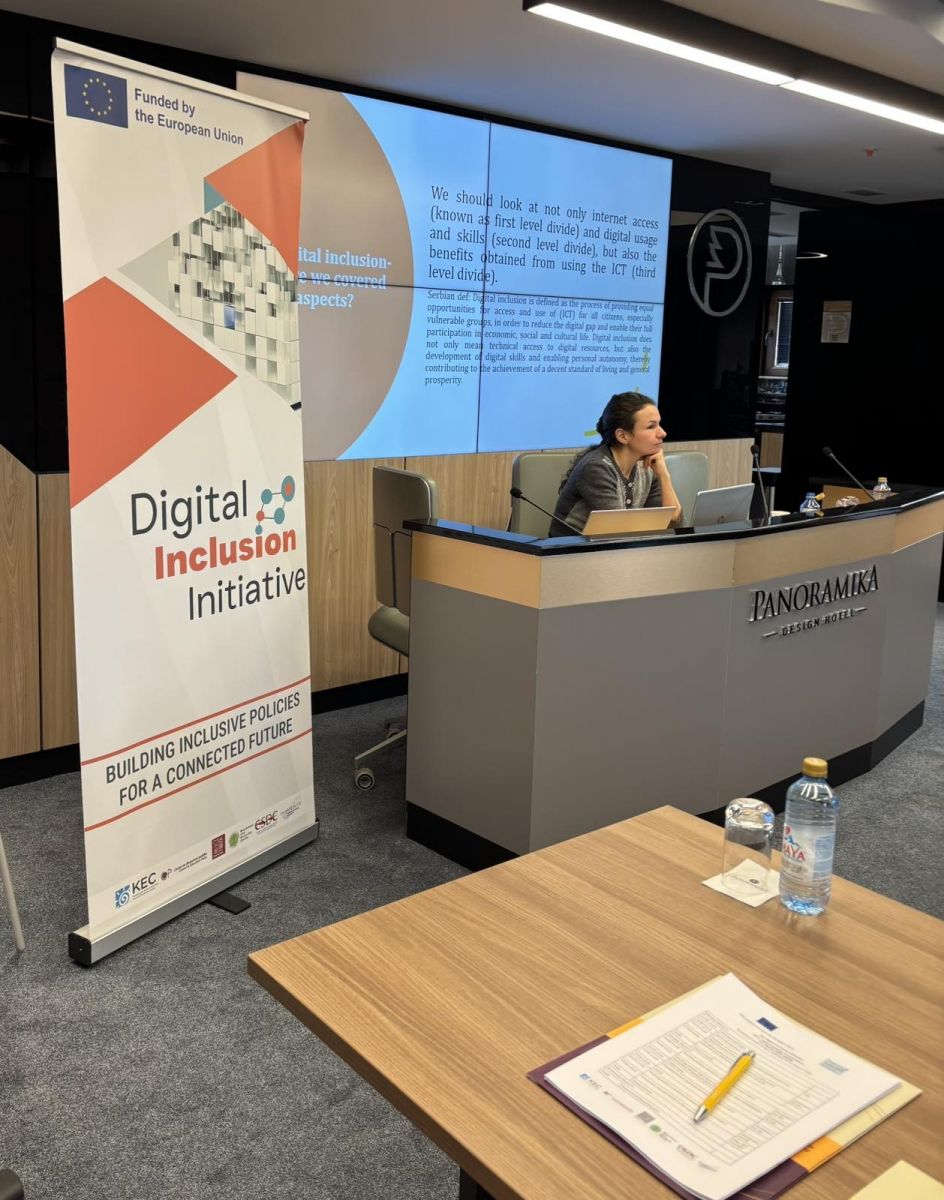
From March 3 to 5, 2025, an Initial Meeting of the Researchers of the Digital Inclusion Initiative was held in Skopje, bringing together national experts to adopt a comprehensive research methodology on digital inclusion policies. This key meeting laid the foundation for comparative research and policy analysis.
The meeting served as a platform for aligning the research methodology, adopting instruments, and finalizing guidelines for data collection and analysis. Researchers from Centre for Education Policy presented the initial draft methodology, which includes:
These tools will be adapted to national contexts while maintaining the comparability of results between countries. In addition, participants identified available data sources and discussed potential challenges in the research process. Consensus was also reached on a unified structure for the national reports, ensuring consistency in findings and recommendations.
Following this meeting, research teams will begin data collection, focusing on assessing national policies and recent changes related to digital inclusion. The study will cover universal policies (such as public digital literacy programs) and targeted measures (such as subsidized internet access for marginalized groups).
After the initial data collection, researchers will proceed to the field research phase through focus groups and interviews, and then conduct a detailed analysis to develop national reports. These reports will contain key indicators on digital inclusion, identify challenges and barriers in policy implementation, and provide essential insights for developing the comparative report.
Based on the findings, policy briefs will be developed to highlight the most important issues and offer recommendations for improving digital inclusion policies.
The comparative report, as the main result of the first work package within the Initiative, aims to provide evidence-based insights that will inform policymakers and relevant stakeholders, contributing to the development of more inclusive and effective digital policies. It will also guide other activities of the Initiative, such as strengthening the capacity of civil society organisations for advocating digital inclusion and creating national platforms that will bring together stakeholders relevant to the topic.
The “Digital Inclusion Initiative – DII” project is a three-year regional project that is implemented by Kosova Education Center in partnership with five partner organizations: Centre for Education Policy from Serbia, COI Step by Step and organization proMENTE social research from Bosnia and Herzegovina, Macedonian civic education center from North Macedonia, and Civil Society Development Center from Albania. The project if financed by the European Union.